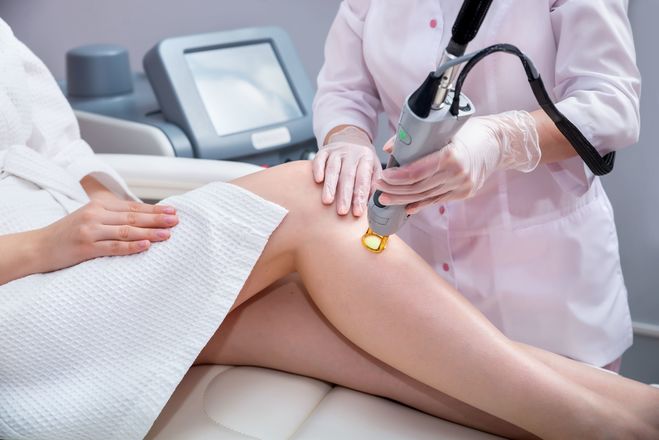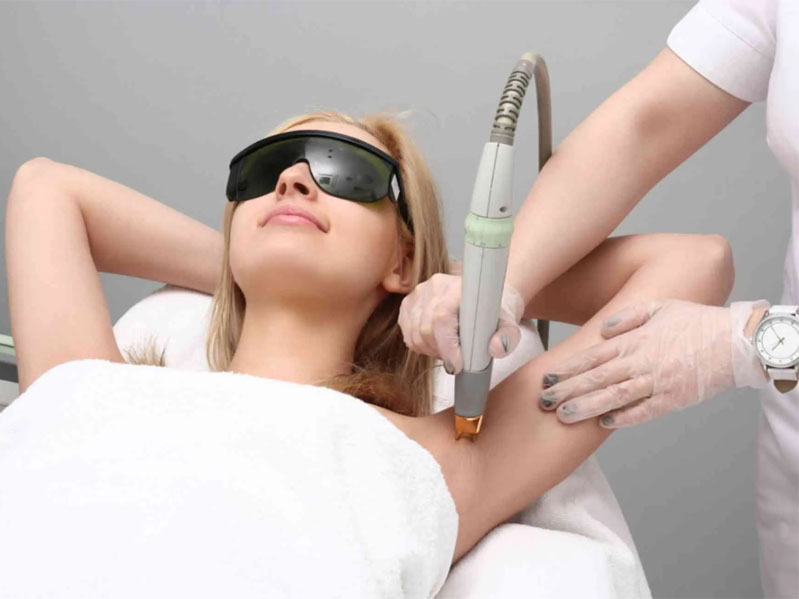


Laser hair removal is a modern, non-surgical procedure designed to reduce unwanted hair safely and effectively. Using advanced laser technology, the treatment targets hair follicles to significantly reduce hair growth over multiple sessions.
At Dr. Vinisha Pandey Dentistry & Aesthetic Clinic, Kanpur, laser hair reduction is performed using medical-grade equipment with customized settings based on skin type and hair texture to ensure safety and optimal results.
The laser emits controlled pulses of light that are absorbed by the pigment (melanin) in the hair. This light energy converts into heat, which gently damages the hair follicle and slows future growth.
Since hair grows in cycles, multiple sessions are required to treat hair during its active growth phase.
While some reduction may be visible after the first session, most individuals require 6–8 sessions spaced approximately 4–6 weeks apart for long-lasting results. Maintenance sessions may be advised depending on hormonal factors and hair growth patterns.
Treatment plans are personalized after proper evaluation. Laser hair removal can be performed on:
✔ Long-term hair reduction
✔ Precision targeting of unwanted hair
✔ Suitable for most skin types
✔ Faster than traditional hair removal methods
✔ Reduced ingrown hairs
Advanced laser systems such as Diode or Nd:YAG may be selected based on skin tone and treatment area.
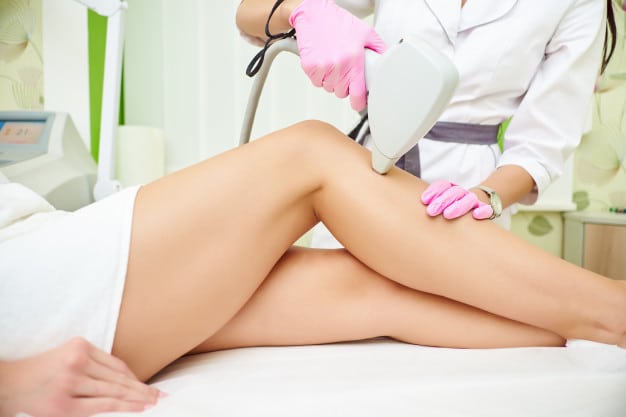
When performed by a trained professional using approved laser technology, the procedure is considered safe. Mild redness or temporary sensitivity may occur after treatment and typically subsides within a short period.
• Slight redness for a few hours
• Avoid direct sun exposure
• Use sunscreen on exposed areas
• Follow recommended skincare instructions
Most individuals resume normal activities immediately.
If you are looking for laser hair removal in Kanpur, a personalized consultation can help determine the right treatment plan for your skin and hair type. At Dr. Vinisha Pandey Dentistry & Aesthetic Clinic, patient comfort, hygiene, and professional care remain the priority.